
Black History Month 2026: Honoring the Fullness of Our Past, Present, and Power
Each February, Black History Month provides dedicated space to collectively honor the legacy of our ancestors and the paths they forged—and to honor ourselves. It is a moment of reflection and reclamation. An act of resistance. While Black history cannot be constrained within a finite timeframe, this month invites us to pause and reckon with its full depth, breadth, and global significance. In doing so, we reaffirm that Black history is world history, foundational to global culture, political transformation, scientific innovation, and collective possibility.
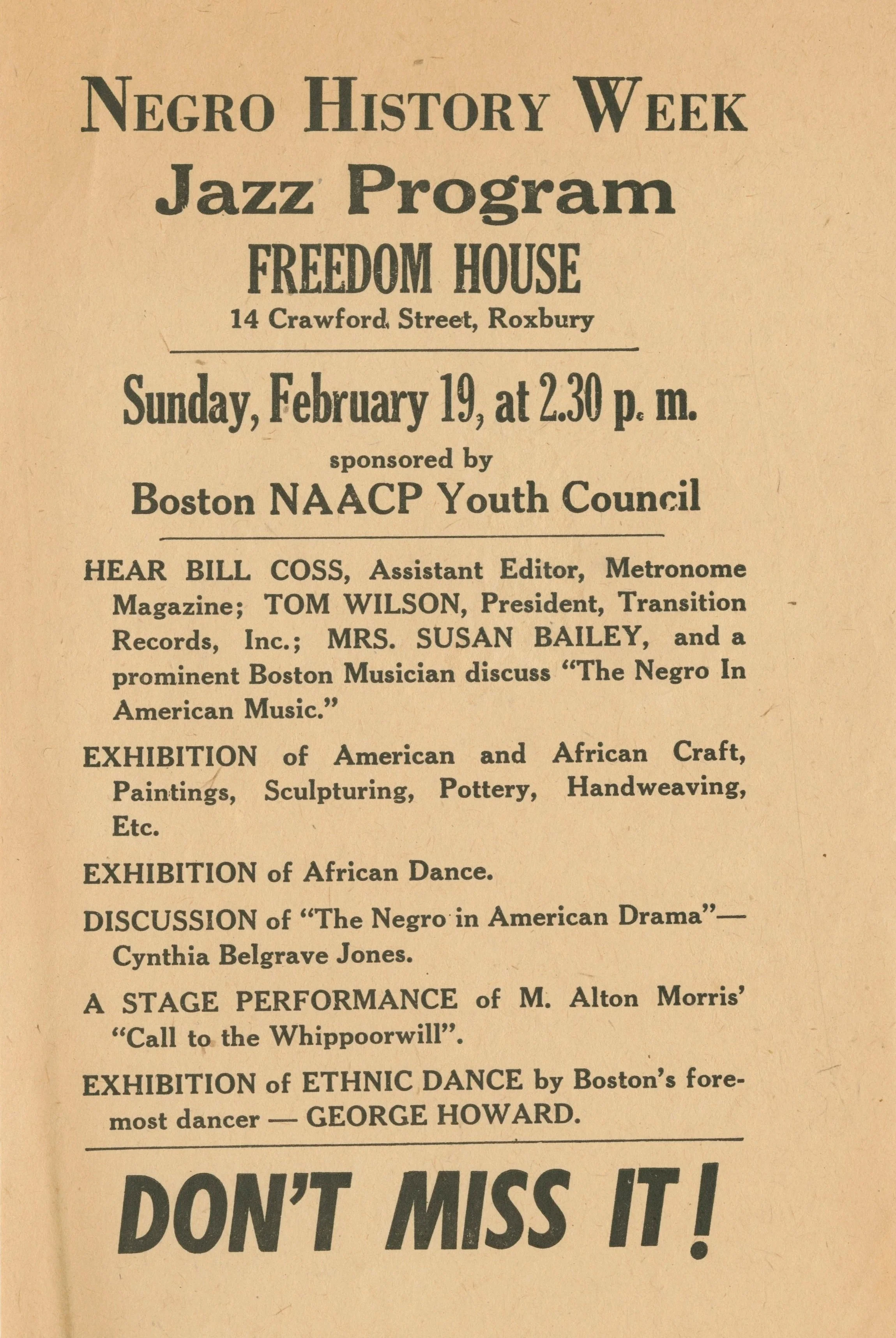
2026 marks the centennial anniversary of what we now know as Black History Month. In 1926, historian Carter G. Woodson and the Association for the Study of African American Life and History initiated Negro History Week, not as a symbolic gesture but as a deliberate intervention in a society committed to the politics of erasure. From its inception, Black History Month has never been about nostalgia; it has always been about claiming power—the power to name ourselves, to preserve truth, and to assert our place in history—a founding purpose that continues to define the meaning of Black History Month a century later.
The Fullness of Black History—and Our Humanity
Too often, hegemonic forces compress Black history into a singular narrative defined by slavery, segregation, and hardship. While these realities must never be denied or minimized, they are not the sum total of our story.
Black history is also the story of triumph, brilliance, and creativity—of artists and architects, scientists and scholars, organizers and visionaries. From global liberation movements to breakthroughs in medicine and technology; from music that reshaped the world to political strategies that catalyzed revolutions; from communal care practices rooted in dignity to traditions rooted in kinship, Black people have continuously shaped the contours of modern life.
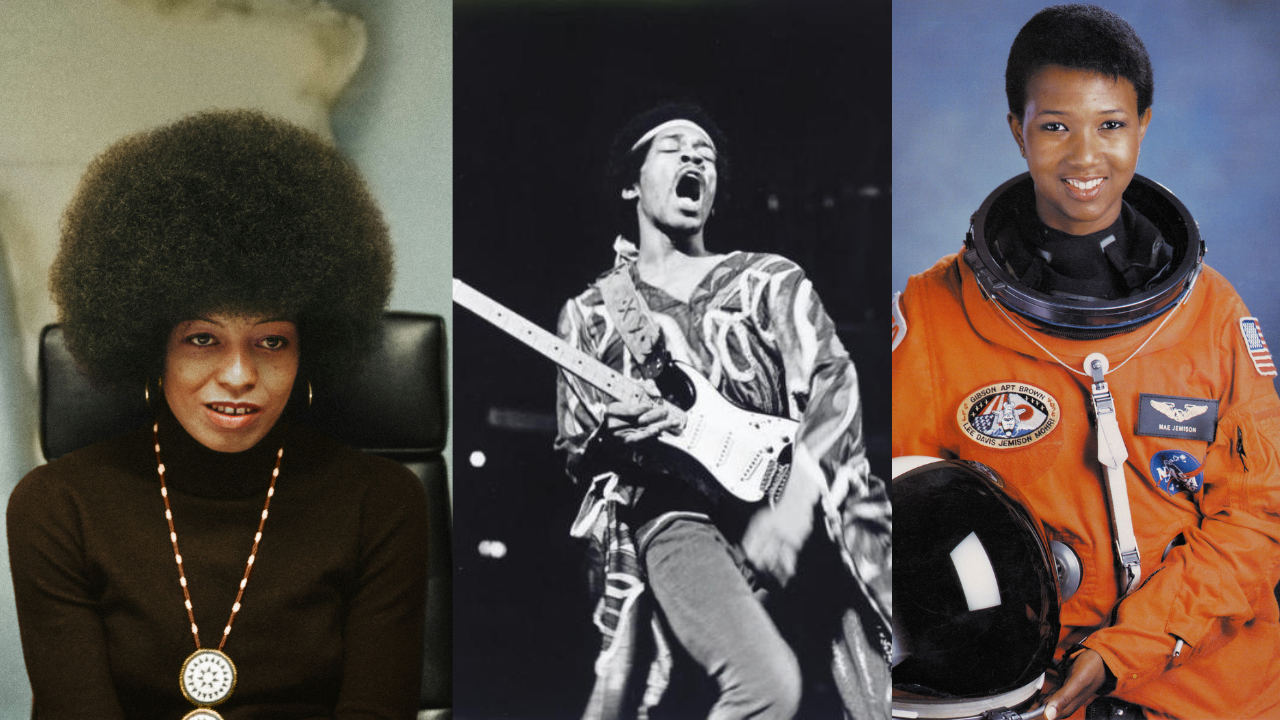
In short, Black history is not only about what we survived; it is about what we built, what we imagined, and what we made possible in spite of systems designed to deny us our very humanity. A people denied their humanity is a people rendered exploitable—conditioned to be valued for labor rather than life, output rather than imagination, and endurance rather than wholeness. And that is precisely why we must reject reductive narratives that diminish our being.
This truth carries implications for how we understand Blackness today. Being Black is inherently political. Full stop. As James Baldwin wrote, "To be Black and conscious in America is to be in a constant state of rage", a time-honored observation that continues to ring true across generations. And yet being Black is also spiritual, poetic, and expansive. In the words of New York Times bestselling author, Fred T. Joseph, “to be Black is to know a secret that the world cannot take from us. It is to know what it means to survive, to thrive, to transform suffering into something golden, something living, something that sings”.
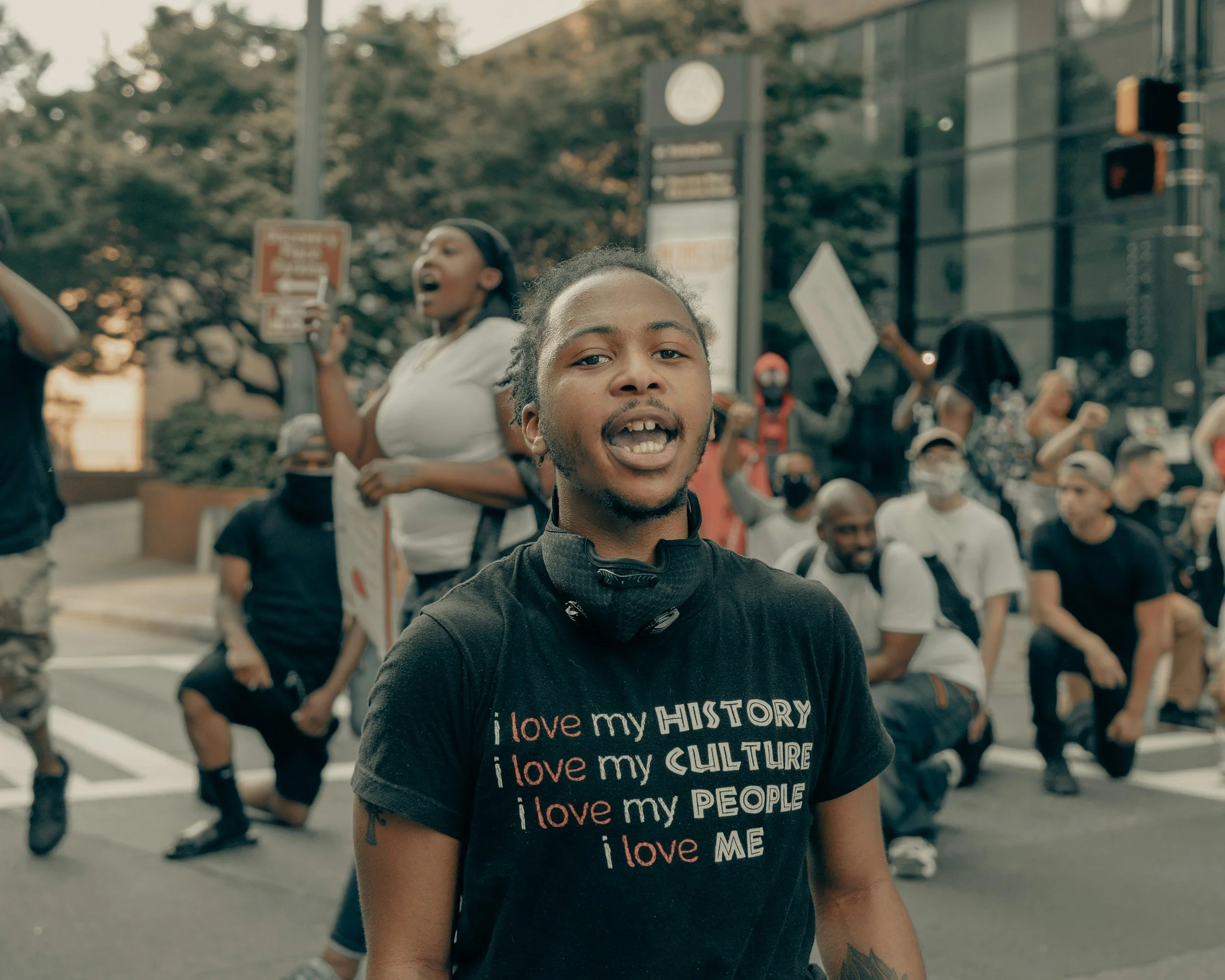
Black History Month calls us to embrace this fullness—not only of our history, but of ourselves. That means defying the narrow lens through which we are so often perceived. It means honoring our creative natures, our capacity for more than physical or emotional labor, and our right to dream beyond survival. It means recognizing that Blackness is not a monolith and celebrating the multiplicity within us—across geographies, cultures, genders, sexualities, faiths, and traditions. And crucially, it means understanding that Black history is not something sealed in the past but alive in the present, expressed through how we organize, how we innovate, how we care for one another, and how we continue to insist on lives of dignity, possibility, and freedom.
Why Black History Month Matters Today
In 2026, the relevance of Black History Month is impossible to refute.
Across the nation, both local and federal political agendas seek to sanitize the past by restricting the teaching of Black history in schools, undermining truth-telling and limiting young people’s ability to understand the systems that perpetuate injustice today. These efforts are not random; they follow the very pattern of erasure that Black History Month was established to confront a century ago.
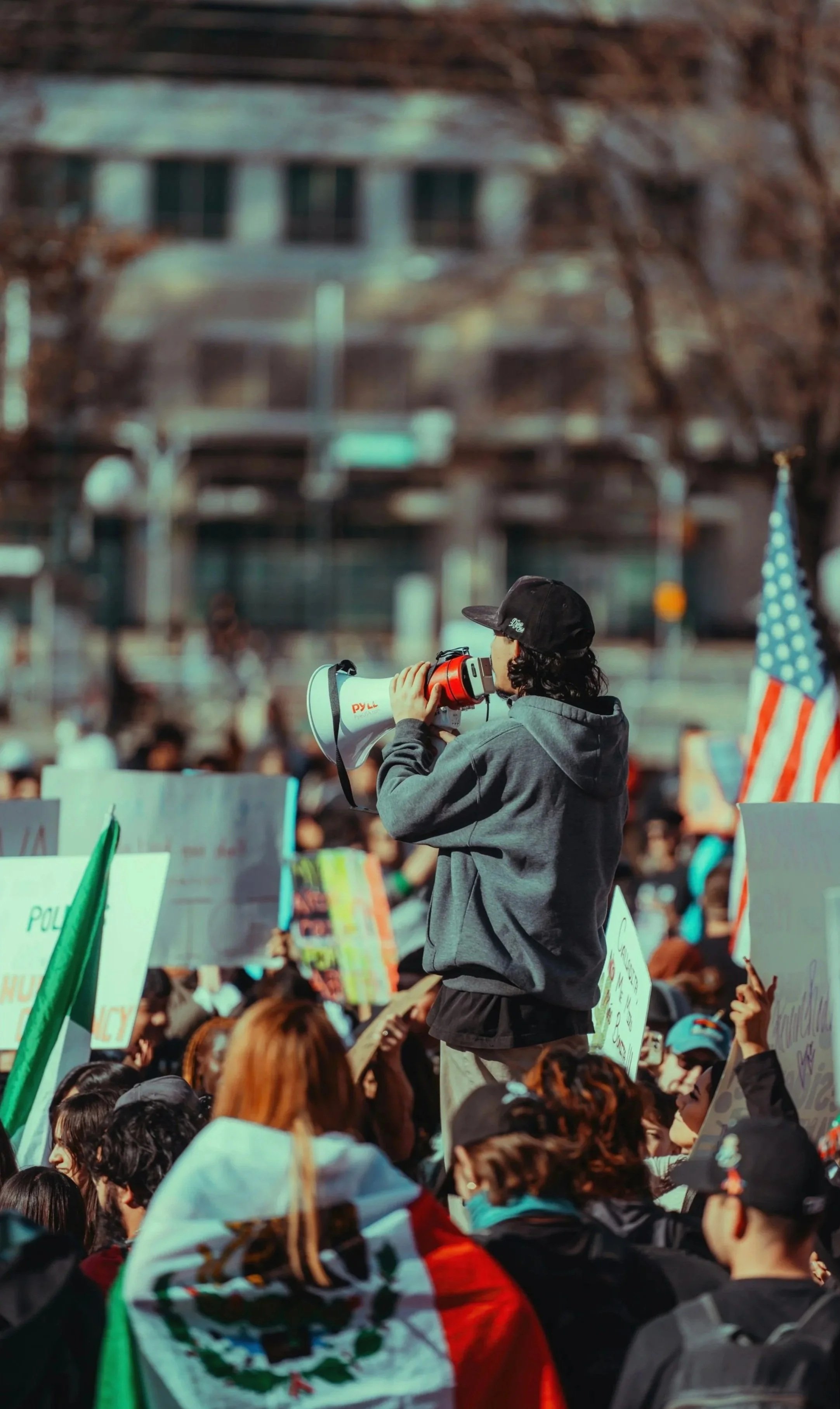
At the same time, the current sociopolitical climate makes it unmistakably clear that policies rooted in violence and racial exclusion continue to inflict direct and lasting harm on Black and brown families. The escalation of racialized human rights violations at the hands of the U.S. Immigration and Customs Enforcement (ICE) under the guise of national security reflects the institutional evolution of systems foundational to the United States: slave patrols, Jim Crow laws, anti-Indigenous removal policies, and other state-sanctioned structures designed to preserve whiteness. Rather than abstractions, these continuities are living mechanisms through which surveillance, detainment, displacement, and the denial of safety are enacted today.
Black communities recognize these patterns because we have lived them—and continue to do so. We have endured retrenchment, repression, and state violence, and each time, we responded with vision, courage, and reimagination. And we do not show up only when harm is deemed a “Black issue.” We show up always, because we understand that liberation is collective—as Black revolutionary, Assata Shakur, reminded us: “Any community seriously concerned with its own freedom has to be concerned about other people's freedom as well. The victory of oppressed people anywhere in the world is a victory for Black people”. Guided by this tenet, Black organizers, advocates, and community members continue to stand alongside other marginalized communities in the fight for dignity, safety, and liberation—while also naming how these fights intersect with Blackness in ways dominant narratives too often render invisible.
In this context, Black History Month is not merely a commemoration; it is a crucial reminder that our historical memory functions not only as evidence, but as a blueprint that equips us to mobilize again against the modern mechanics of white supremacy.
Engaging Black History Month Intentionally in 2026
Though many understand the significance of Black History Month, some may be wondering what honoring and engaging with it can look like in practice. Black History Month does not ask us all to do the same thing, but it does ask us to be intentional.

For Black individuals:
Prioritize rest and non-reactionary soul care. Step back from constant news consumption, engage with Black-led wellness spaces, and tend to your spirit.
Be in community. Spend your time and energy where you are not required to explain, perform, or code-switch.
Create. Make art. Write. Dance. Cook. Reconnect with joy as a form of resistance.
Stay curious. Black history is vast; there is always more to learn, read, and rediscover.
For organizations:
Move beyond performative statements. Invest in Black leadership, compensate Black expertise, and fund Black-led work year-round.
Examine whose stories are amplified and whose labor sustains your mission.
Commit to internal learning that does not rely on Black staff to carry the burden of education.
For non-Black allies:
Educate yourself, deeply and continuously, about Black history and its present-day implications.
Support Black-owned businesses—with both your platforms and your dollars.
Boldly challenge systems of oppression by advocating for the reformation of policies that harm Black communities.
Reflect honestly on your personal commitments and adjust them to deliberately practice solidarity daily, moving from intention to action.
A History Still Unfolding
As we mark 100 years of Black History Month, we do so with both reverence and resolve. The challenges we face persist, but so does our legacy. Time and time again, Black communities have transformed grief into movement, exclusion into innovation, and resistance into possibility. And through it all, we continue to imagine, to celebrate, to find joy, and to build for the generations to come. That is Black history still being written.
Happy Black History Month.